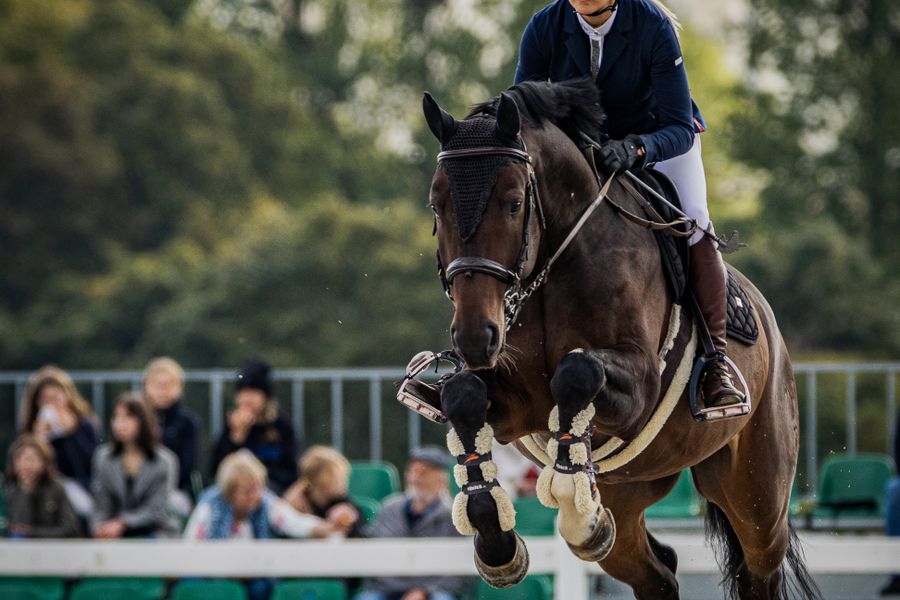
Do you need a special saddle for Working Equitation? What bit is allowed? This beginner's gear guide covers everything you need to know about WE tack and attire.
One of the most appealing aspects of Working Equitation (WE) is its incredible inclusivity. Unlike many equestrian disciplines that rigidly dictate what breed of horse you must ride and exactly what you must wear, WE celebrates diversity.
Walk the warm-up ring at a national Working Equitation competition, and you will see a breathtaking array of horses and tack. You might see a Lusitano in traditional Portuguese attire warming up next to a Quarter Horse in a western saddle, followed by a Warmblood in a modern dressage saddle.
However, this freedom can be overwhelming for beginners. If you are just starting out in the sport, you might be wondering: What do I actually need to buy? Do I need a special saddle? What kind of bit is allowed?
This guide will break down the essential gear requirements for Working Equitation in the United States, helping you navigate the rules and make smart choices for you and your horse.
The Golden Rule: Comfort and Functionality First
Before you buy anything, understand the core philosophy of WE tack: it must be functional, safe, and comfortable for both horse and rider. The Ease of Handling and Speed phases require immense maneuverability. Your horse must be able to bend, collect, and accelerate without restriction.
1. The Saddle: English, Western, or Traditional?
The most common question beginners ask is whether they need to buy a specific Working Equitation saddle. The answer is no.
According to the USA Working Equitation rules, you can compete in almost any style of saddle, provided it is safe and fits the horse correctly.
Dressage Saddles are the most popular choice for riders transitioning from traditional dressage. The deep seat and straight flap encourage a long, classical leg position, which is ideal for the Dressage phase and provides security during the obstacle phases.
Western Saddles are perfectly acceptable and very common. However, be mindful of the horn. Some riders find that a tall saddle horn gets in the way when leaning forward during the Speed phase or when handling the garrocha pole. A lower-profile horn or a "slick fork" saddle is often preferred.
Traditional Iberian Saddles feature a high cantle and pommel, providing incredible security for the rider during fast, tight turns. If you want to fully embrace the heritage of the sport, these are a beautiful option.
2. Bridles and Bits
The rules regarding bridles and bits depend heavily on the level at which you are competing.
At Introductory and Novice Levels, horses may be ridden in a snaffle bit with two hands on the reins. Bitless options, such as a sidepull or a traditional bosal, are also permitted in many regions.
At Intermediate Levels, horses often transition to a double bridle or a pelham, still ridden with two hands.
At Advanced and Masters Levels, the horse must be ridden entirely with one hand on the reins. This requires a curb bit and demonstrates absolute self-carriage and lightness.
3. Rider Attire: Blending Tradition with Practicality
Rider attire in WE is flexible but must be neat, professional, and safe.
If you ride in an English saddle, you should wear traditional English attire: breeches, tall boots, a collared shirt, and a conservative riding jacket. If you ride in a Western saddle, Western attire is required: jeans, a long-sleeved western shirt, cowboy boots, and a cowboy hat or helmet. Riders using traditional Iberian tack often wear the corresponding traditional dress.
The Helmet Rule: Regardless of your chosen style of dress, safety is paramount. In the USA, all youth riders are required to wear an ASTM/SEI certified riding helmet during all phases of competition. At Hussar Stables, helmets are strictly mandatory for all riders, at all times, regardless of age or discipline.
4. The Garrocha Pole
The garrocha is a long wooden pole (typically 10 to 13 feet long) historically used for working cattle. You do not need to buy one immediately — most WE clinics and competitions will provide the poles for the obstacle course.
If you want to practice at home, you can easily make a lightweight practice pole out of PVC pipe or a long wooden dowel. The goal is to desensitize your horse to the sight and sound of the pole moving around their head and body before you ever attempt to carry a heavy, traditional wooden garrocha.
Getting Started Without Breaking the Bank
The beauty of Working Equitation is that you do not need to buy an entirely new tack room to get started. Use the safe, well-fitting saddle and bridle you already own. Focus your energy and budget on training, lessons, and building a classical foundation of balance and lightness.
At Hussar Stables in Palmdale, CA, our curriculum is rooted in these classical principles. We provide the tack, the lesson horses, and the expert instruction. All you need to bring is a willingness to learn.
Ready to Experience This in Person?
Book a private Intro Lesson at Hussar Stables and discover why families from Palmdale, Lancaster, and Santa Clarita choose our members-only riding club.
Book Intro Lesson